
 العربية
 Русский
 Español
Which Drones Are Suitable for the Polisario Front's Own Production?
Since Russia’s special military operation in Ukraine at the latest, the word drone should be familiar to most people. A drone is an unmanned aerial vehicle.
Everyone knows the commercial, ready-made drones such as the DJI models. They use a handheld remote control with a digital video link and, straight out of the factory, rely on GPS even when the pilot has line of sight. We will not cover these drones in this article, because they cannot withstand enemy jamming or GPS jamming. Some volunteers at the front have already tried this for themselves on a particular section near the occupation wall, and seen the result.
In military terms there are, roughly speaking, two main categories:
1. Large, reusable “classic” drones
These drones were developed for reconnaissance and for engaging ground targets from high altitude. They are used by states, have internal navigation systems and a satellite link, and some of them can stay in the air for several days without landing. They are often out of range of light air defense (for example shoulder-fired missiles). They need a runway and a command center to control them. At the smaller and cheaper end is, for example, the Bayraktar TB2; at the more expensive and sophisticated end are the Hermes, Heron, MQ-9 Reaper and Wing Loong. Morocco already operates all of these models in its air force.
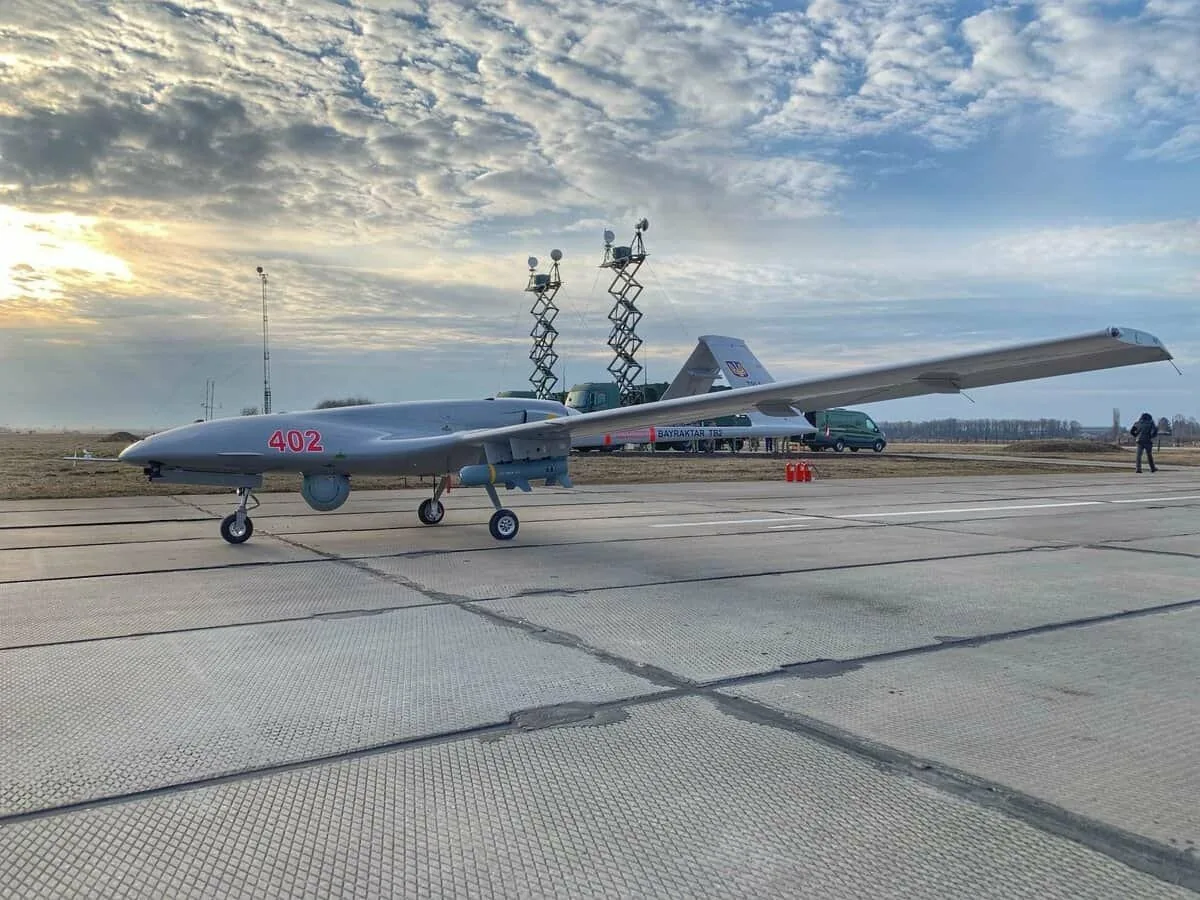
Bayraktar TB2 drone
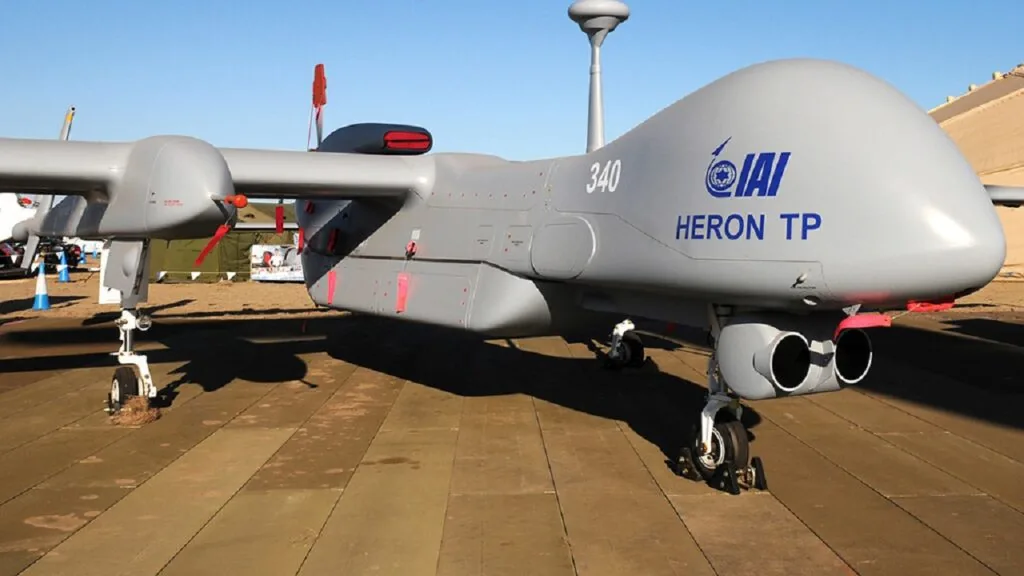
Heron drone
2. Alternative “expendable drones”
This category includes the so-called “kamikaze drones”. These drones need neither a satellite link nor traditional GPS, no airfield to land on, and no command center with a radio link. They are either autonomous or controlled with a battery-powered handheld remote, via an analog radio link or via fiber-optic cable.
On the one hand, these drones are also used by states such as Russia and Iran. After the Islamic Revolution, Iran had to build an air force under heavy sanctions, and therefore without access to satellites and GPS. To do this, Iran launched a drone program that today produces medium-sized drones. Instead of a satellite link, GPS and radio control, they use an internal gyroscope (to determine the aircraft’s attitude), an altimeter (to measure altitude), an airspeed sensor and an offline map. During the flight, this map is compared with camera images of the ground to determine position and course all the way to the preprogrammed target. One example is the Shahed-136, which is used today by Iran and Russia. These are suicide drones, intended for a single launch from hidden positions or from mobile platforms. They can be fired in swarms of dozens or hundreds at a time and overwhelm even the most modern air defense systems.
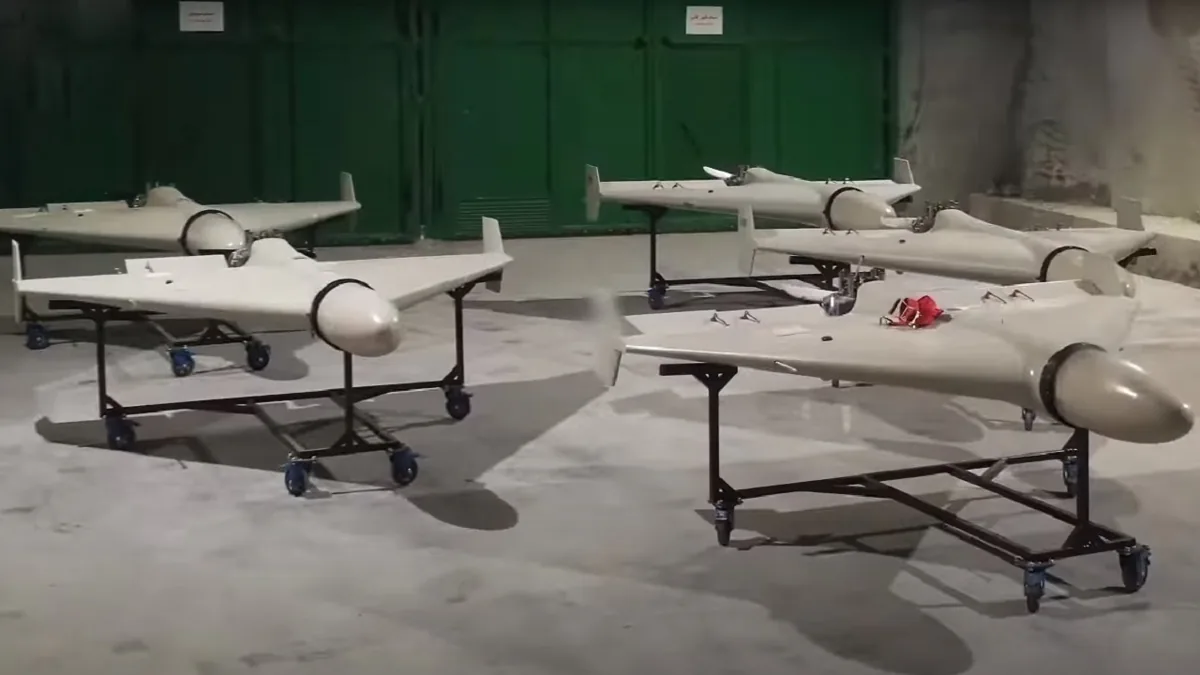
The Iranian Shahed-136, known in Russia as Geran-2
On the other hand, a smaller type of these alternative “expendable” or “kamikaze” drones is used not only by states but also by small movements: the so-called FPV drones. (FPV stands for “First Person View”.)
These drones are small, cheap and very easy to make. They are also impossible to jam, because they can be fitted with fiber-optic cable. For the past three years we have seen them wherever there is armed conflict: from small volunteer groups in Myanmar to Ukraine and Russia, Hezbollah in Lebanon and the terrorists of the Azawad militias in Mali.
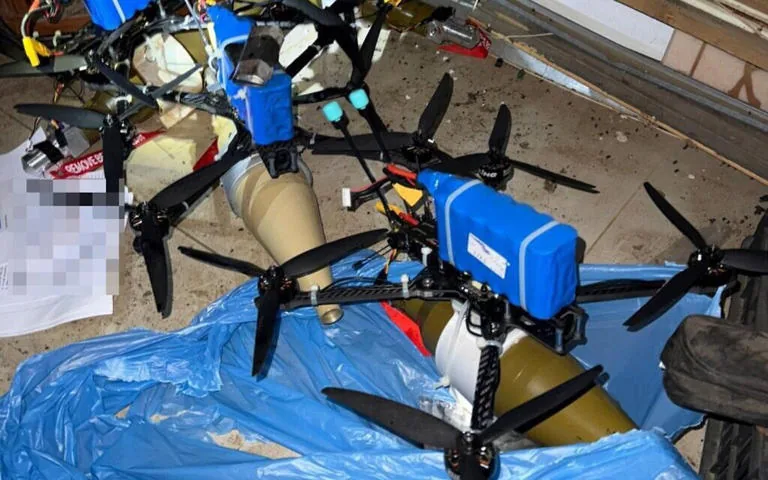
Home-built FPV drones in Lebanon
The Polisario Front has more than enough competent young soldiers who are suited to building such FPV drones. But a real FPV drone program does not exist yet. Whether out of fear of ending up on the US terror list (which will happen anyway, since bipartisan bills to that effect have been introduced in the Senate and the House), or out of fear of losing the Western countries on the political stage (which has also already happened – see France, the UK, Germany, Spain and others, and the autonomy plan), as is so often said.
We put it to the test ourselves: we visited a friendly movement abroad and, with their instructions and their experience, built our own prototype from scratch.
Excluding tools such as the soldering iron and reusable equipment such as the handheld remote control, goggles and chargers, one drone would cost about 500 EUR.
| Part | Purpose |
|---|---|
| Frame | Holds everything together |
| Motors | 4 pieces |
| Propellers | 4 pieces |
| Flight controller | Controls the drone’s attitude |
| ESC (speed controller) | Controls the motors |
| Battery | Powers the drone |
| Camera | Captures the image |
| Video transmitter | Transmits the image |
| Antennas | Send and receive the signal |
| Receiver | Receives the control signals |
| Remote control | Controls the drone |
| FPV goggles | Show the camera image to the pilot |
| Soldering station | Connects the components |
| Screwdriver | For assembly |
| Battery charger | Charges the batteries |
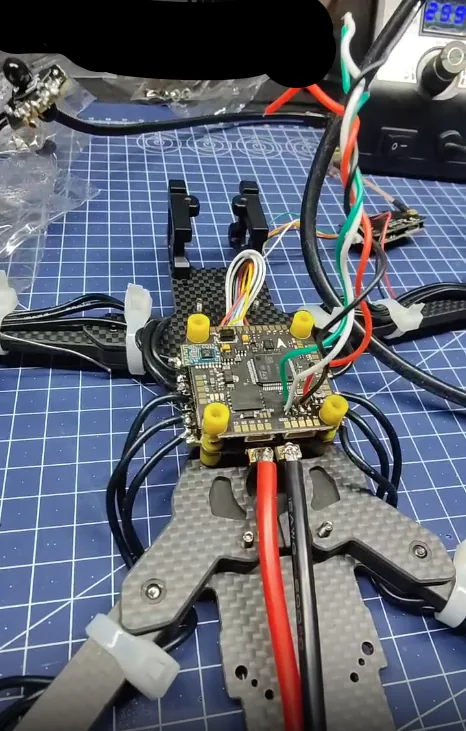
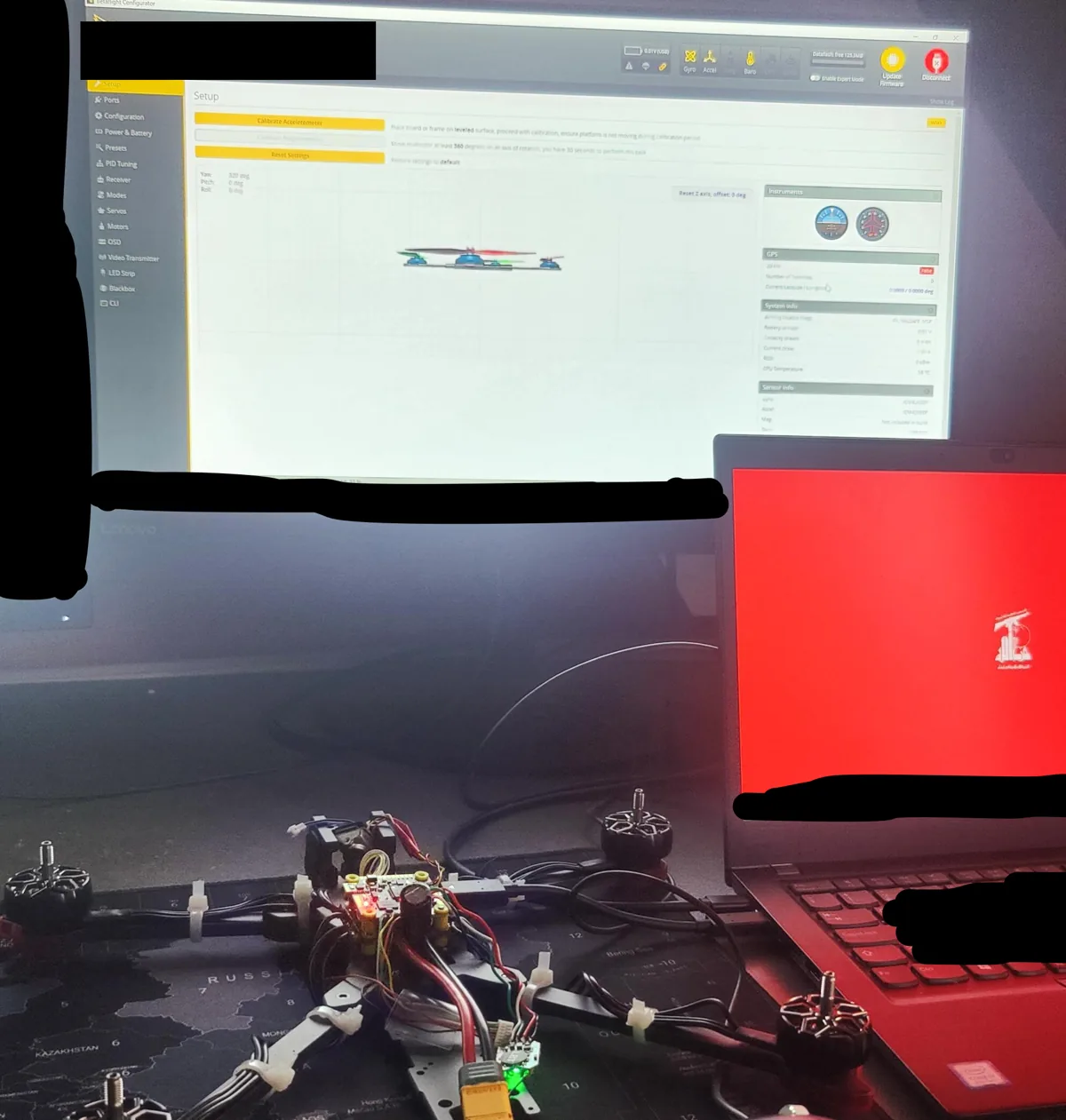
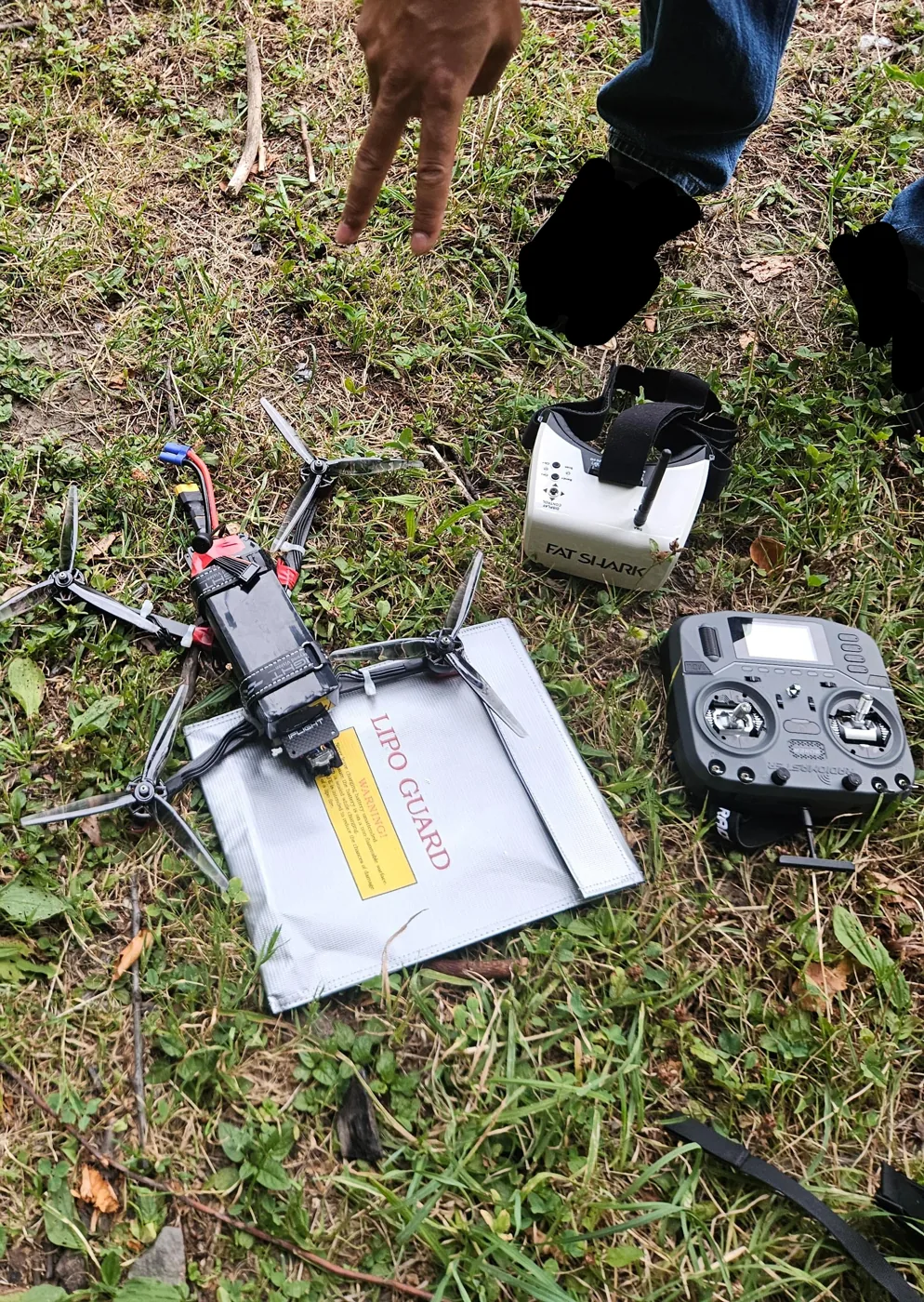
Our own build, following the instructions of a friendly movement